
What makes a water heater installation different from a replacement? Usually, it is the new work. Whether it is a heater for an addition, a relocation out of living space, an upgrade to a bigger tank or tankless unit, or a fuel conversion, the job needs piping, venting, or wiring the house never had. In Corvallis, OR, that work also has to meet local code, which can mean permits, drain pans, expansion tanks, and seismic straps depending on the location. We plan every piece up front, so the heater performs, the work passes, and nothing is improvised on install day.
Before any pipe is cut, we size the heater to your household. For tanks, first-hour rating counts more than gallons; for tankless, it is gallons per minute at your winter temperature rise. Next, we choose the spot together. Gas models require a vent route outdoors and adequate combustion air. A heat pump model has to have breathing room, temperatures above roughly 40 degrees, and a condensate drain. An electric tankless model often has to have its own high-amperage circuit. And wherever a leak could damage finished space, a drain pan goes underneath. Clear choices and a firm price come before any work.
Installation day runs on a checklist: gas lines sized, run, and leak-tested with a sediment trap at the heater, vents built to the manufacturer's size and pitch, circuits and breakers matched to the heater's load, and water lines connected with shutoffs and dielectric protection between copper and steel. A full-size relief valve discharge line runs to a safe point, and any required expansion tank, drain pan, seismic straps, or permit is part of the job. Before we leave, we fill and purge the tank, check draft and carbon monoxide on gas units, set the temperature near 120 degrees, and walk you through everything. For water heater installation in Corvallis, call (541) 641-4520 for an assessment and a clear quote.
Replacing a heater that failed? See Water Heater Replacement in Corvallis.
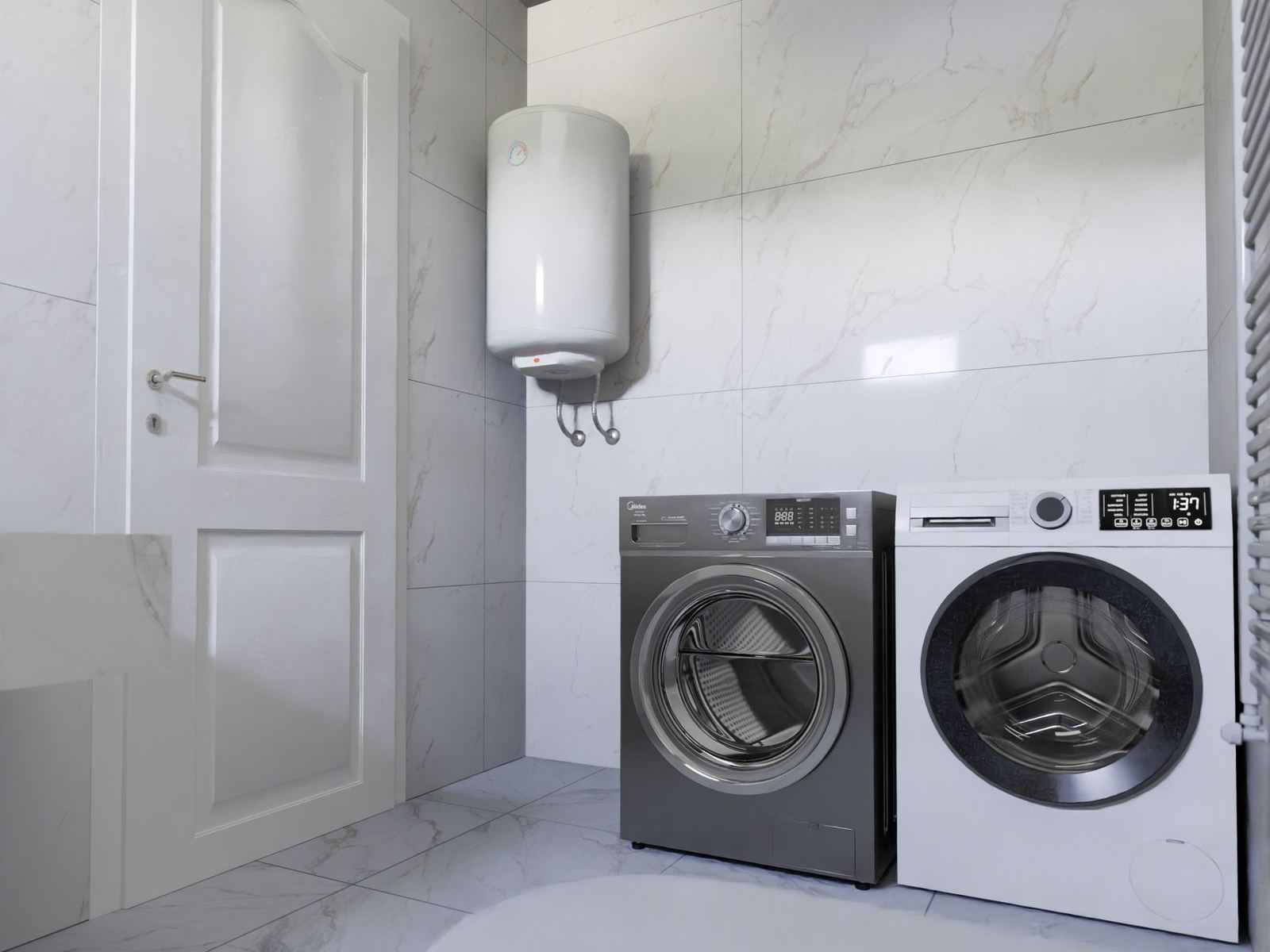
How Much Does Water Heater Installation Cost in Corvallis?
For most Corvallis homes, a new water heater installation usually lands somewhere between $1,100 and $5,500. The type of heater sets the base price, and the site work around it moves the total up or down. We look at the space first and give you an upfront price before any work begins.
| Installation | Typical cost | What it usually means |
|---|---|---|
| Standard tank, same locationGas or electric tank hooked up where the old one stood | $1,100–$2,800 | Gas or electric tank hooked up where the old one stood |
| Tankless water heaterSized by flow rate; gas line and venting drive the price | $2,800–$5,500 | Sized by flow rate; gas line and venting drive the price |
| Heat pump (hybrid) water heaterBefore any rebates; the space matters as much as the unit | $2,800–$5,000 | Before any rebates; the space matters as much as the unit |
| Relocating the water heaterMoving it out of a closet, attic, or living area | $500–$1,500 added | New water, gas, or power runs to the new spot |
| New gas line or ventingCommon with tankless and high-efficiency units | $300–$1,200 | Needed when the fuel demand or vent type changes |
| Dedicated 240V circuitDepends on panel space and the length of the wire run | $300–$1,000 | Electric tanks, electric tankless, and heat pump units |
| Expansion tank, drain pan, strapsProtects against pressure spikes, leaks, and movement | $150–$500 | Protects against pressure spikes, leaks, and movement |
These are common installed price ranges, not quotes. We confirm the exact price after a site check.
What Moves the Cost Up or Down
- Tank, tankless, or heat pump, and the capacity your household needs
- Whether the gas line, venting, or electrical service can handle the new unit
- Moving the heater to a new location versus installing in the same spot
- Local permit fees and required safety items like expansion tanks and pans
Installing before the old tank fails gives you time to compare tank, tankless, and heat pump options. These are typical ranges, not quotes. Call (541) 641-4520 for your price.
Symptoms That Mean It's Time to Call
Recognizing the warning signs early can save you money and keep a slow drip from turning into a flooded utility room. Watch for these telltale signs that professional help is needed:
- A heater squeezed into a closet or attic where a leak would do real damage
- A new bathroom, addition, or finished basement that needs more hot water
- Long waits for hot water at faucets far from the heater
- A new jetted tub that outpaces the heater's capacity
- Morning showers that run cold for the last person
- An older install without an expansion tank, pan, or straps where required
- A property where the water heater has to go in from scratch
- Interest in tankless or heat pump efficiency
A Slow Leak Never Stays Slow
Tanks rarely fail all at once. They corrode from the inside for months, and the warning signs show up long before the floor gets wet. Call Corvallis Water Heater at (541) 641-4520 at the first sign of trouble.
Need Help With Water Heater Installation?
Our experienced technicians are standing by to help.
Get Help: (541) 641-4520Your Water Heater Installation Questions Answered
What a Trained Technician Brings to the Job
Installing a new water heater means doing several trades' work at once. Gas piping has to be sized for the heater's input and every other appliance on the line, then pressure-tested and leak-free. The vent must meet the manufacturer's rules on diameter, length, pitch, and clearances, or carbon monoxide can find its way indoors. Electric and heat pump units need a circuit, breaker, and wire gauge matched to their load, and whole-house electric tankless units can draw more current than many panels have to spare. On the water side, there is more: shutoffs, dielectric transitions, a correctly rated relief valve with a full-size discharge line, and code items like expansion tanks, drain pans, and seismic straps that differ from place to place.
A professional installation covers the whole job, not just setting the heater. Sizing by first-hour rating or flow rate, tested gas piping, a vent routed to spec, a circuit matched to the load, and the expansion tank, pan, or straps your code requires are all included. Gas units get a draft and carbon monoxide check before we leave. You end up with an installation that is safe, properly sized, and ready for inspection. If a smaller or simpler heater fits your needs better, we will tell you directly.
What to Expect From Our Team
Our workflow is simple and thorough, so nothing gets missed between the fuel supply and the relief line. Here's a look at each step our team takes:
Planning & Sizing
Before we recommend anything, we measure demand, look at where the heater can go, and confirm what gas, venting, and electrical work the job will need.
Written Scope & Quote
You receive a written plan covering the heater, the piping, venting, and electrical work, and any code items, plus one firm price.
Installation Day
Gas piping, venting, circuits, and water lines go in cleanly, with the relief valve piped to a safe point and required code items installed.
Startup & Walkthrough
We bring the new heater up to temperature, recheck each new joint for leaks, verify the vent is drafting, and set the thermostat near 120 degrees.
Questions About Water Heater Installation?
We give honest advice and upfront pricing on every job, big or small.
Call (541) 641-4520 NowWater Heater Care Tips From Our Technicians
A little routine care goes a long way toward keeping a water heater running well past its expected lifespan. Here's where to begin:
- A 120-degree setting protects against burns and slows mineral buildup
- Keep flammable liquids and clutter away from gas heaters
- Descale tankless units once a year, or more often with hard water
- Leave working space around the heater, and never stack storage against it
- Schedule regular maintenance, including an anode rod check
- Moisture in the drain pan or at the relief line is an early warning worth a call
- Start a flushing routine early, before sediment has a chance to harden
DIY vs. Professional Water Heater Installation
Online videos may help in a pinch, yet lasting repairs and code-compliant installs depend on correct venting, proper relief valve discharge piping, and a trained technician. Consider the following comparison:
| Consideration | Doing It Yourself | Professional Service |
|---|---|---|
| Capacity | Bought off the shelf by size | Matched to real household demand |
| Gas Supply | Line size assumed, not calculated | Load calculated, leaks tested |
| Venting | Wrong pitch, length, or clearances | Draft and CO verified |
| Electrical | Panel capacity never checked | Circuit matched to the heater's load |
| Code Items | Code items left for later | Ready for inspection |
| Result | Hot water, with hidden problems | Leak-free and vented right |
Get Water Heater Installation Help Today
The sooner you call, the sooner the hot water is back. Reach Corvallis Water Heater for fast service.
Call (541) 641-4520 TodayWhere We Provide Water Heater Installation
We bring water heater installation to homes and businesses in town and across the nearby communities. Pick your area to see local details.